Posted by Mark Sulit on 11th Sep 2025
Featherweight: The Benefits of Weight Weenie-ing Your Bike
Many factors contribute to being the best cyclist. For many, the pursuit of speed and efficiency is an endless quest. While training and nutrition play a massive role, one of the most satisfying and impactful ways to enhance your ride is the "weight weenie" mindset. No, it doesn't mean becoming unhealthy, it means meticulously shedding unnecessary grams from your bike. A lighter bike isn't just for pros, it offers tangible benefits for every rider, from easier climbing to snappier acceleration. Let's explore how lightening up key areas can transform your cycling experience.
Saddles: The Foundation of Comfort and Weight Savings
Your saddle is one of the three crucial contact points with your bike and determines how comfortable you'll be on the bike. However, this doesn't mean you can't save significant weight here. Traditional saddles often feature substantial padding, heavy rails, and robust shells. A weight weenie approach involves looking for saddles with carbon fiber rails, minimal padding, or even full carbon shells.
"Carbon saddles are so hard and uncomfortable"
Statement above are somewhat true, an all-carbon saddle might seem extreme, modern designs offer surprising levels of flex and ergonomic shaping, providing comfort for many riders while dramatically reducing weight. A lighter saddle contributes to a lower overall bike weight and can even subtly improve climbing dynamics.
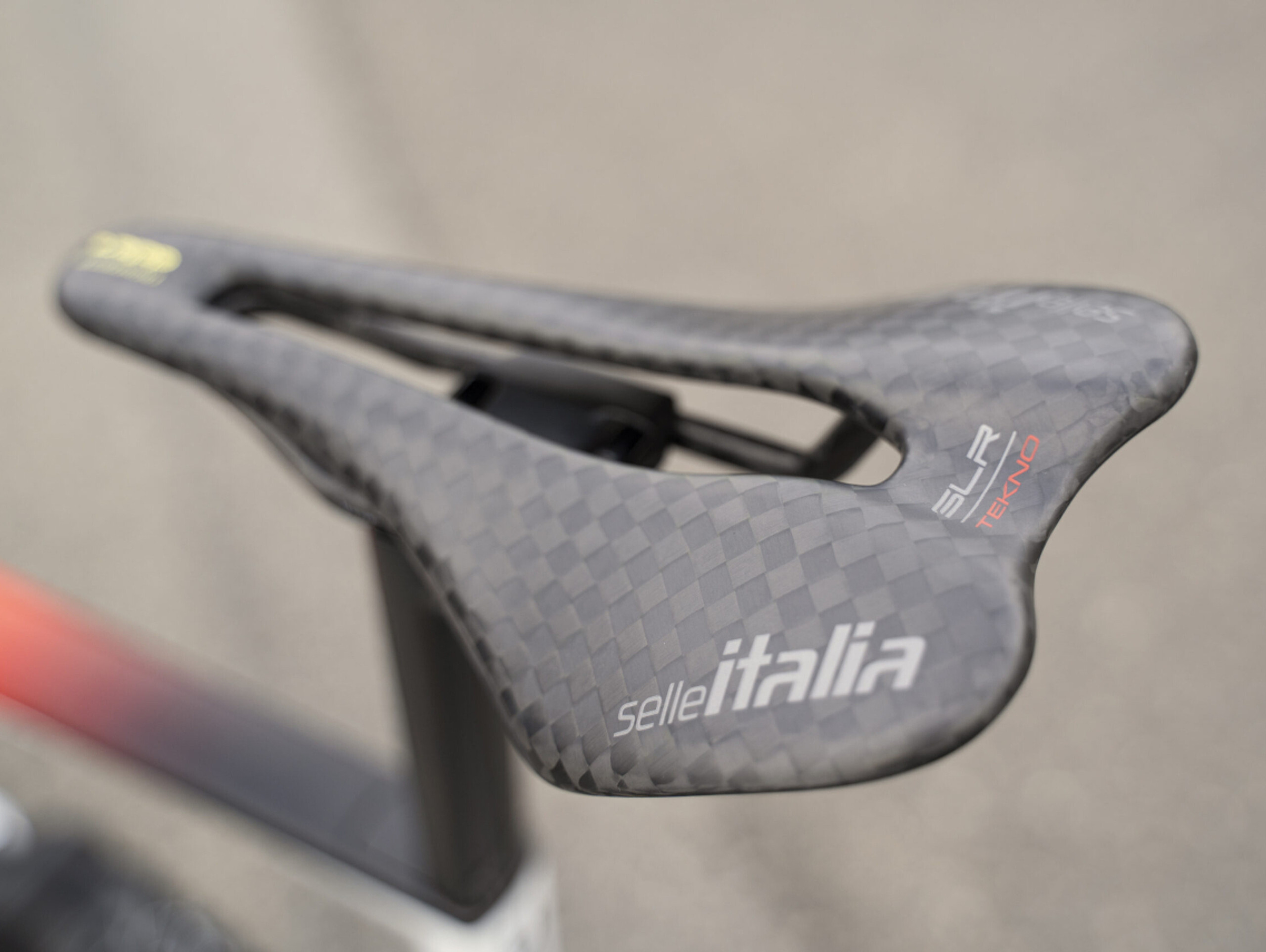
Typical OEM saddle - 200 to 300 grams
Selle Italia SLR Boost Tekno Superflow Saddle (Large) - 95 grams
Minimum Weight Savings of 105 grams
Tubes: Rotational Weight's Secret Weapon
Inner tubes are often overlooked in the quest for weight reduction, yet they offer one of the most cost-effective and impactful upgrades. Standard butyl rubber tubes are relatively heavy. By switching to lightweight latex or TPU (thermoplastic polyurethane) tubes, you can shed a surprising amount of rotational weight from your wheels. Rotational weight is particularly critical because it affects how quickly your wheels accelerate and how much effort it takes to maintain speed. Latex and TPU tubes are not only lighter but often offer lower rolling resistance, further boosting your speed and efficiency.
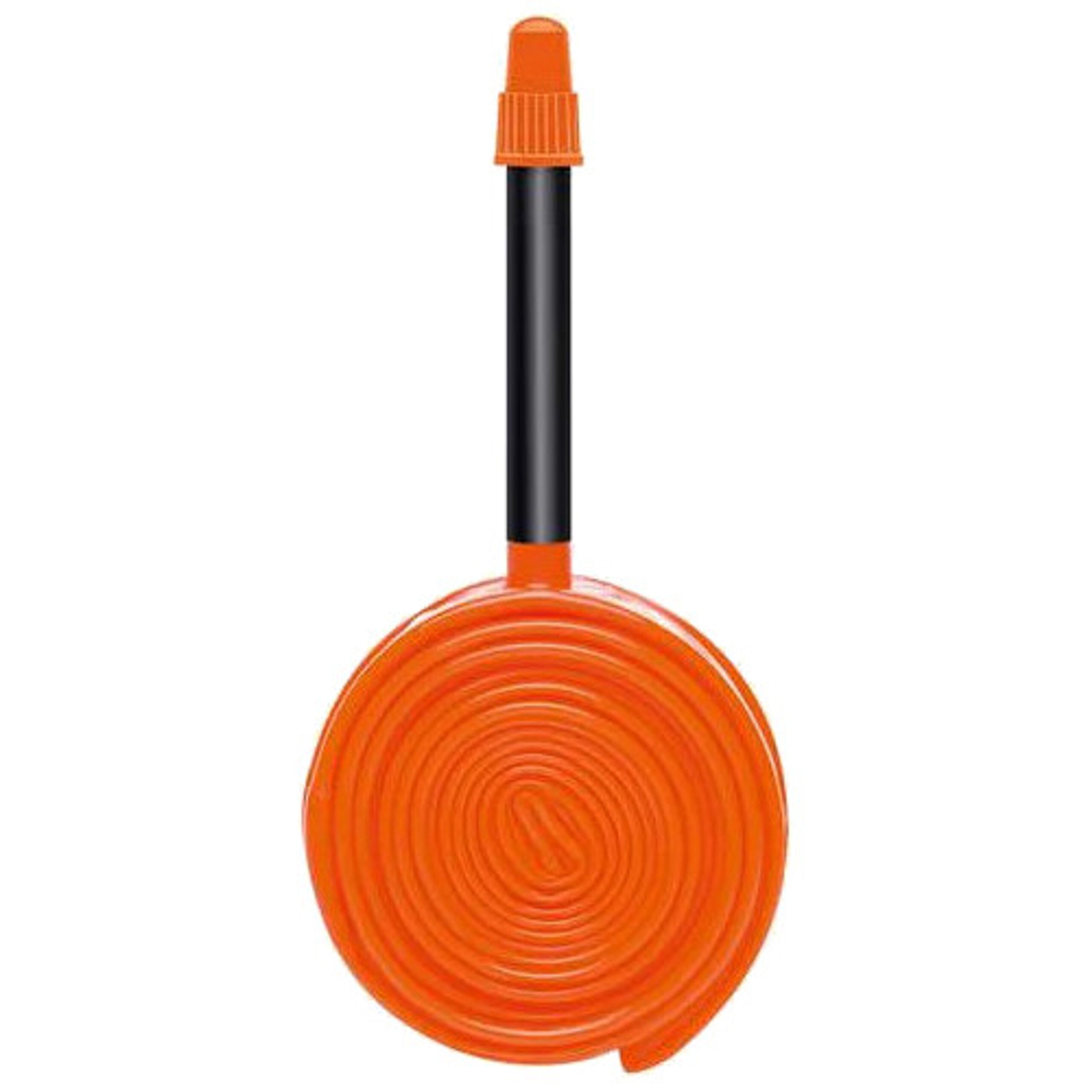
Typical OEM Tube - Butyl 100 - 130 grams, Latex 75 - 85 grams
Tubolito Tubo Road Tube (18-32mm 42mm Valve) - 38 grams
Minimum Weight Savings of 94 grams per set
Tyres: Grip, Speed, and Grams
Tires are another component to invest in. While absolute weight is a factor, it's a balance between low weight, puncture protection, and rolling resistance. Lighter tires, often with thinner casings and high thread counts, can significantly reduce overall wheel weight. Tubeless setups, while sometimes slightly heavier initially due to sealant, can offer lower rolling resistance and improved puncture resistance. For the ultimate weight savings, high-performance racing tires are designed to be as light as possible, providing exceptional grip and feel, albeit often with reduced durability.
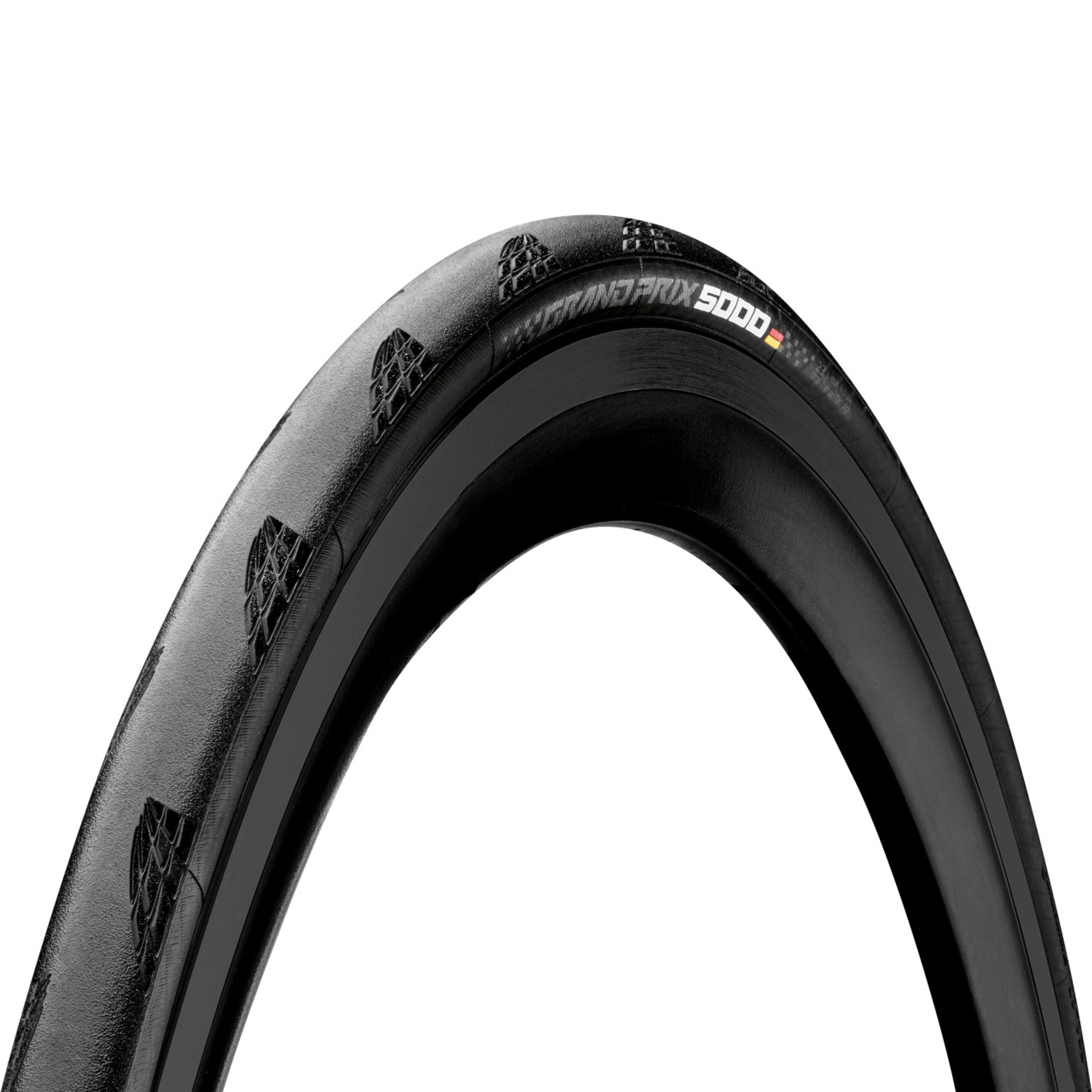
Typical OEM Tyre - 250 - 400 grams
Continental GP5000 Clincher (25mm) - 205 grams
Minimum Weight Savings of 45 grams per tyre
Components: The Details That Make the Difference
Beyond the major areas, a true weight weenie scrutinises every last component. This includes:
-
Drivetrain: Lighter cranksets (often carbon), high-end cassettes with titanium or aluminum cogs, and even lighter chainrings can all contribute.
-
Brakes: Lightweight brake calipers or rotors (if disc brake equipped) can shed grams where it counts.
-
Seatpost & Stem: Carbon seatposts and stems are standard upgrades for weight reduction and often come with improved aesthetics.
-
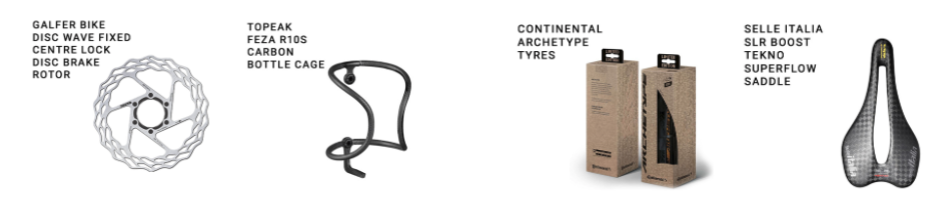
Small Parts: Titanium bolts, carbon bottle cages, lightweight bar tape, and minimalist computer mounts all contribute to the cumulative weight savings that define a truly "weenie-ed" bike.
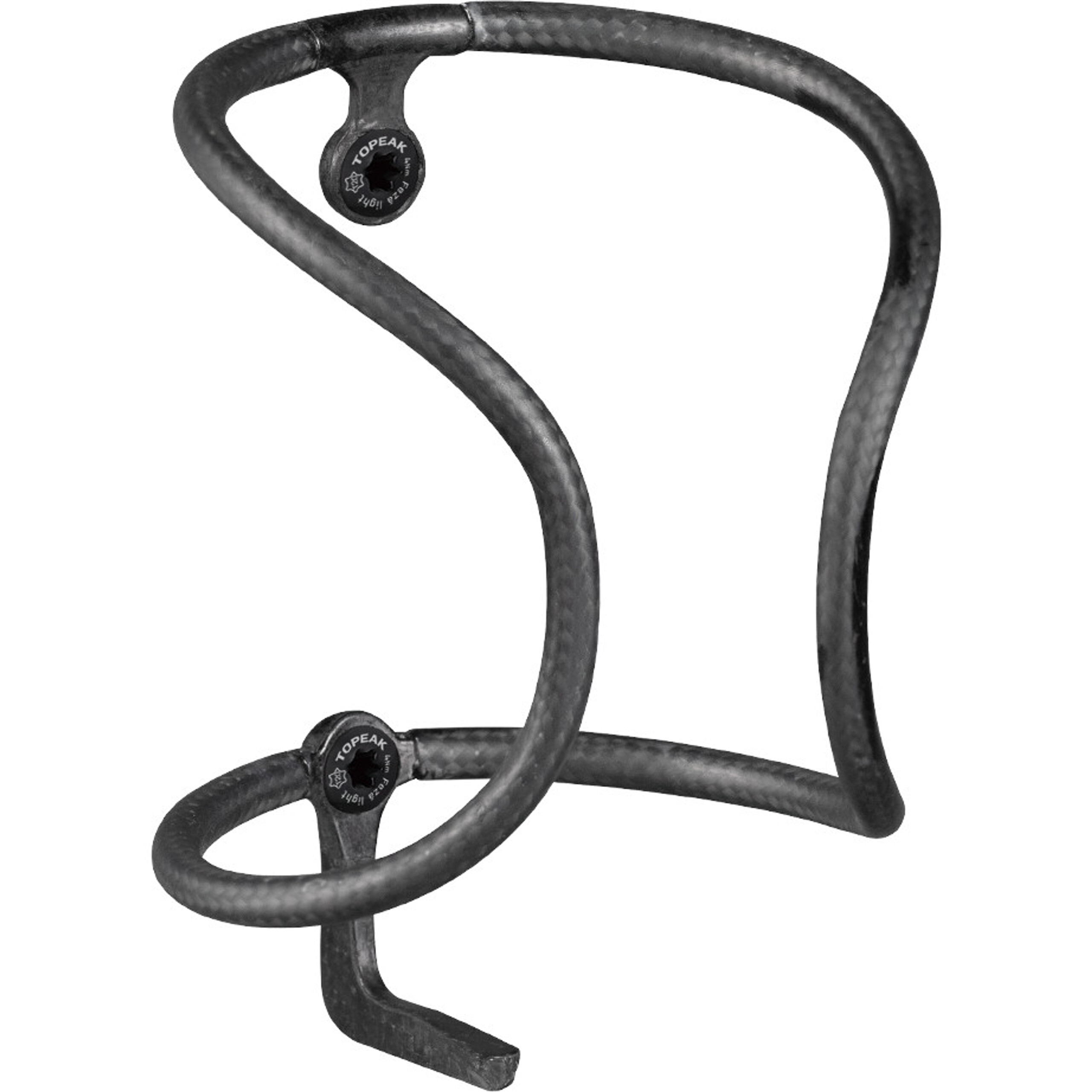
Typical OEM Bottle cage - 40 - 60 grams
Topeak Feza R10S Carbon Bottle Cage - 10 grams
Minimum Weight Savings of 30 grams per cage
Wheels: The Ultimate Performance Upgrade
Lastly, if you have deep pockets, wheels can be another option, but they can fetch up to a few thousand dollars. I know this doesn't fit the theme of this particular blog, but something that can cut some weight. Buying the right Wheelset can save you watts and can be more aerodynamic but they can also save you some extra weight. If there's one area where weight weenie-ing truly shines, it's the wheels. As the primary source of rotational mass, lighter wheels profoundly impact acceleration, climbing prowess, and handling. Carbon fiber wheels are the go-to choice, offering substantial weight savings over aluminum counterparts. Beyond the material, consider rim depth; shallower rims are lighter and better for climbing, while deeper rims offer aerodynamic advantages at higher speeds. High-quality hubs with lightweight internals and spokes also contribute to a truly featherlight wheelset. The sensation of a bike springing to life with every pedal stroke thanks to lighter wheels is incredibly addictive.
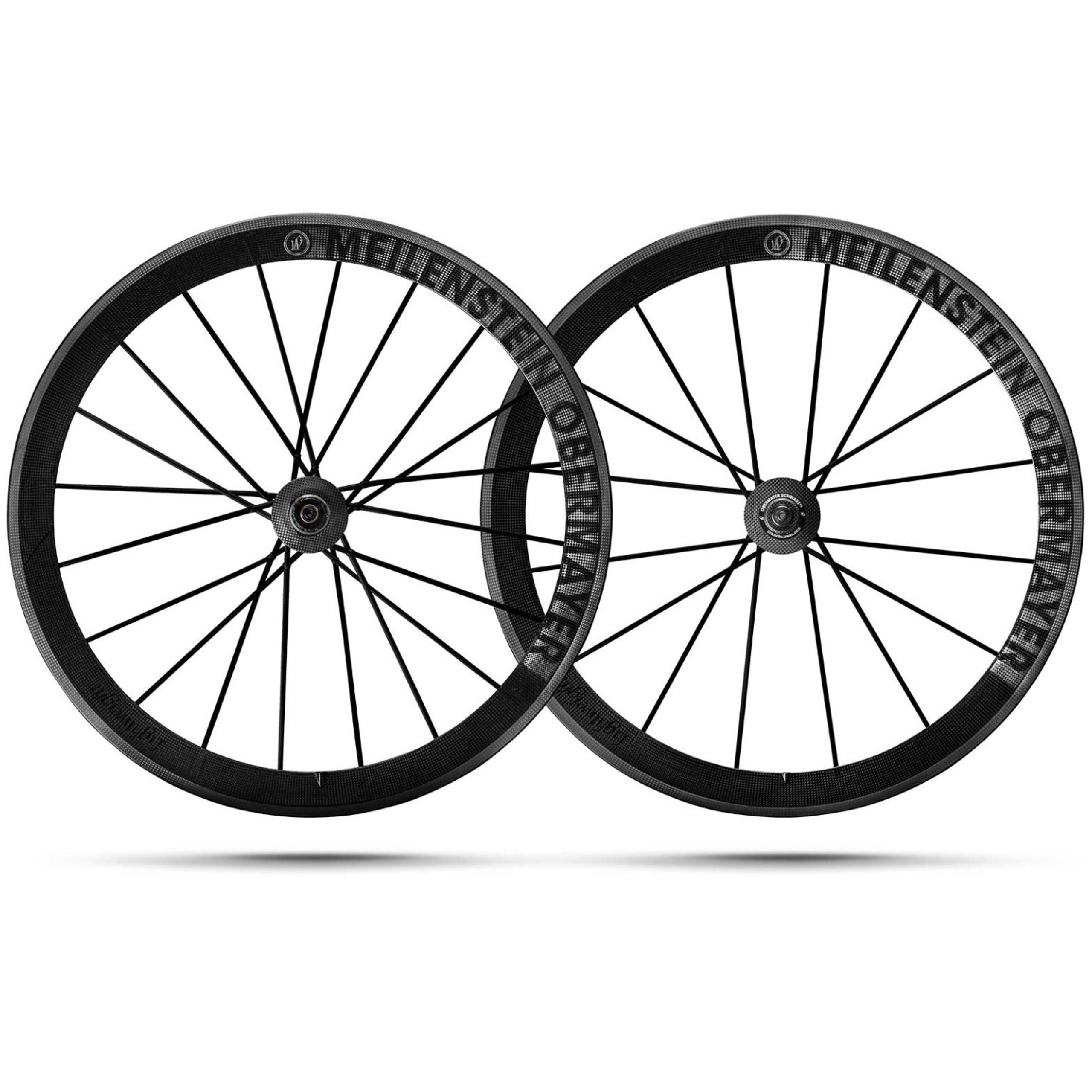
Typical OEM Wheelset
High end Carbon Wheelsets - ± 1,200 grams
Lightweight Meilenstein Obermayer RB (Shimano) - 935 grams
Minimum Weight Savings of 265 grams
Embracing the weight weenie philosophy isn't just about chasing numbers; it's about refining your ride, making it more responsive, more efficient, and ultimately, more enjoyable. Each gram saved contributes to a bike that feels livelier, climbs with greater ease, and accelerates with satisfying snap.
Shop Lightweight Components